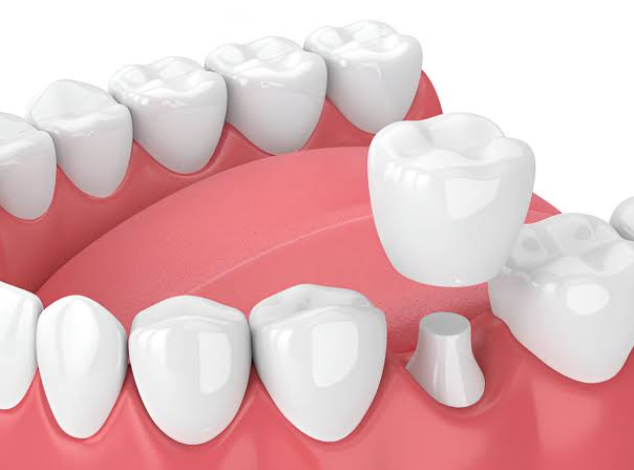
A new crown will replace your defective tooth, enhance your smile, and make daily chewing a more comfortable experience. Even though crowns are made to last, it is imperative that one takes good care of the crown and the tooth under it. There are several ways in which you can ensure your crown settles in comfortably and stays healthy for many years to come.
Follow Your Dentist’s Aftercare Advice
The first few days after getting a crown represent a crucial time for adjustments. You may be advised to refrain from eating tough and sticky foods while the cement is setting. Sensitivity to temperature extremes like hot and cold foods may develop temporarily and generally diminishes as the tooth adjusts to the crown. Be sure to follow all customized advice, especially in cases when a temporary crown will precede the placement of the permanent crown. Contact the dental office if you experience persistent pain, significant discomfort, or an unusual change in your bite.
Choose High-Quality Crown Materials
The choice of materials used to fabricate the crown may affect the physical appearance, resilience, comfort level, and durability of the crown. Materials such as porcelain, ceramic, zirconia, and porcelain-fused-to-metal all have varying features; hence, it is best to seek professional advice when deciding on which type of crown to go for. A dental practice partnered with a reputable crown and bridge dental lab that uses advanced techniques can help ensure the restoration is carefully fabricated and suited to the patient’s requirements. Quality workmanship matters just as much as material selection when achieving a natural-looking, functional result.


Protect Your Crown From Excessive Force
However, even though crowns are very durable, they are not invincible. Biting on ice, biting your nails, or using your teeth to open up things like envelopes is something that could put extra stress on the restoration. Grinding and clenching your teeth during sleep is another factor that may cause undue stress on your crown. In such cases, your dentist can advise a night guard that will help you prevent further damage to the crown. Being mindful of these habits reduces the likelihood of chips, cracks, loosening, or premature wear and helps preserve the investment made in restorative dental treatment.
Maintain Excellent Oral Hygiene
While a crown is not susceptible to cavities, the natural tooth underlying it continues to be prone to plaque and bacteria. Clean your teeth at least twice a day with fluoride toothpaste, and brush between the teeth daily with either dental floss or an alternative cleaning aid recommended by the dentist in order to get the perfect teeth. The most critical area that should receive extra care when cleaning is the area of the crown’s gum line because this is where debris and plaque can easily settle. Regular professional cleanings can further help remove buildup that ordinary brushing may miss.
See also: Common Customer Support Errors Businesses Must Stop Making
Schedule Regular Dental Checkups
Dental checkups provide an opportunity for your dentist to inspect the crown, its surrounding gums, and the nearby teeth. It is during these appointments that any possible problems may be detected before becoming a greater problem. The dentist will determine the fit of the crown, assess its wear condition, and find out whether the underlying tooth is healthy or not. Dental exams are particularly important if you feel sensitive or painful to chewing, a loose feeling, or an altered bite. Prompt attention can prevent a minor concern from developing into a larger restoration issue.
In conclusion, a newly placed crown will serve you well in terms of function and aesthetics if you give it proper care. By taking good aftercare measures, using good materials, keeping up with hygiene, not engaging in any harmful behaviors, and visiting the dentist for regular checkups, you can ensure that your crown lasts a long time.